28/01/2026
FIREFLY’s latest updates on catalyst recycling powered by renewables
An earlier article published on the FIREFLY website assessed how metals such as Pd, Pt, Rh remain essential for Europe’s chemical and hydrogen industries but remain vulnerable to imports. A recent report places Europe as front-runner in waste catalyst recycling. Its insignificant domestic supply of raw metals, corroborated with its stricter environmental regulations, fuel the adoption of responsible recycling practices. The FIREFLY article showed how current recycling routes are dominated by energy-intensive smelting and chemical processes. FIREFLY proposes a different route: electrified recycling powered by solar, wind and storage systems.
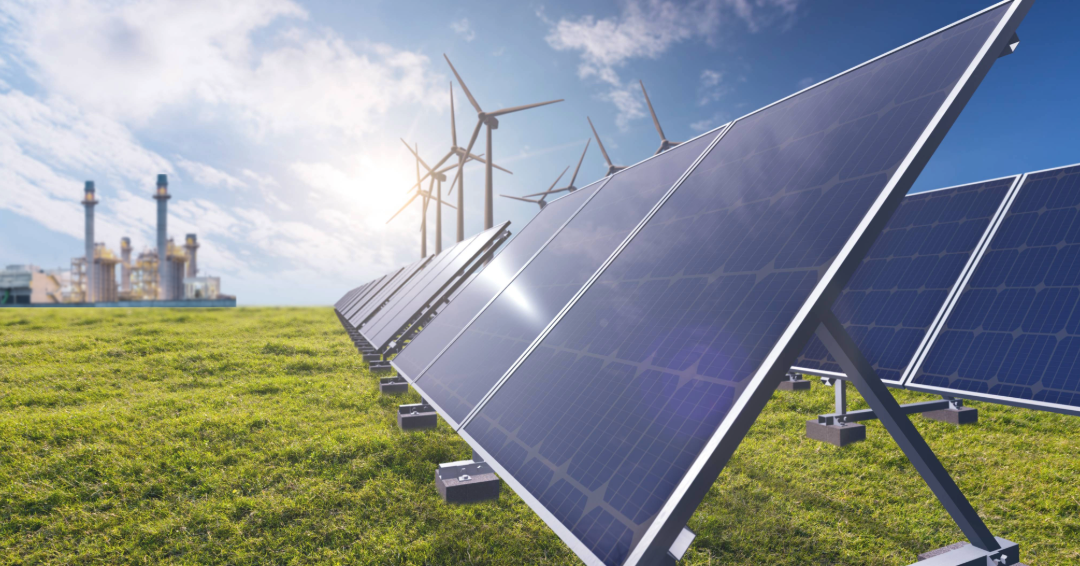
Earlier articles submitted by the FIREFLY consortium explored how renewable energy systems, such as photovoltaic panels, wind turbines and vanadium redox flow batteries (VRFB), could support the energy needs of electrochemical and other recovery processes developed within the project’s framework. Researchers tested electrified technologies like electro-leaching (ELX), gas-diffusion electrocrystallisation (GDEx), electrochemical recovery from molten salts (ERMS), electrochemical transformation in organic solvents (ETOS), mechanochemical processing (MCP) and electro-driven solvoleaching (ESLX). Each has distinct energy profiles, from low-temperature leaching to high-temperature electrolysis, but together they form the backbone of FIREFLY’s renewable-powered metal recovery concept.
Recent updates
Researchers assessed 10 process flowsheets for precious metals recovery and their reintegration into new catalysts, combining techno-economic and greenhouse gas [GHG] analysis. Each flowsheet was modelled at the same treatment scale to compare costs, energy use and emissions. This preliminary analysis indicates:
- Cost drivers: spent catalyst purchase accounts for approximately 74% of recovery costs, and electricity price fluctuations have a minimal impact on process economics [average of 0.2% for a 50% change in electricity price].
- Competitive financial performance: most FIREFLY flowsheets achieve lower or comparable recycling costs compared to conventional hydrometallurgical processes.
- Environmental benefits: the flowsheets selected for FIREFLY upscaling activities cut more than ~400 kg CO2-eq emissions for each kilogram of Pd (or Pt) recovered.
Out of 10 initially considered flowsheets for economic analysis, three stand out for combining strong economics with low emissions:
- MCP + GDEx + catalyst re-manufacturing showed improved leaching efficiency, achieving high Pd recovery with moderate energy demand.
- GDEx + catalyst re-manufacturing delivered high-purity Pd with a low carbon footprint.
- ETOS demonstrated high Pd recovery and direct catalyst synthesis with lower environmental impacts and an attractive economic performance.
This year, the FIREFLY consortium plans to validate some of these flowsheets at pilot scale and integrate the renewable energy systems for powering the pilot plant. Energy modelling suggests that widespread adoption of FIREFLY technologies could cut EU industrial emissions by 2.8 MtCO₂ annually by 2050, while improving supply security for metals critical to the chemical industry.
© Photo: Adobe Stock, https://stock.adobe.com